
Porcelain Dental Veneers: A Dentist’s Complete Guide for Patients
As a dentist who performs smile aesthetics daily, porcelain dental veneers are one of the most powerful tools I use to transform a patient’s confidence. These ultra-thin ceramic restorations can correct discoloration, reshape teeth, close gaps, and create a brighter, more harmonious smile—all while preserving most of the natural tooth structure. In this comprehensive guide, I will explain what porcelain veneers are, how they are applied, their benefits, risks, longevity, and what you can expect throughout the treatment process.
What Are Porcelain Dental Veneers?
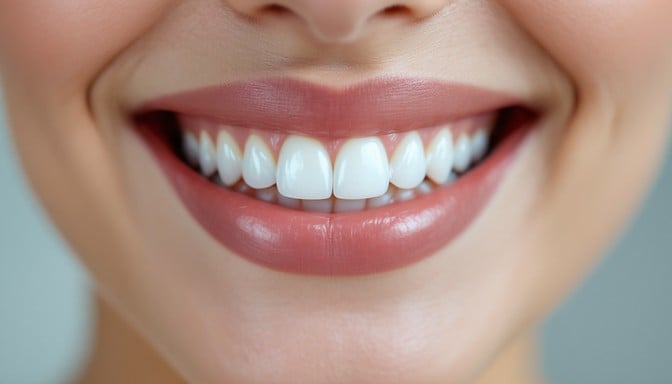
Porcelain veneers are thin, custom-made shells designed to cover the front surface of the teeth. Made from high-quality ceramic materials such as Emax lithium disilicate or feldspathic porcelain, they imitate the translucency and shine of natural enamel remarkably well. Unlike crowns, which wrap around the entire tooth, veneers require minimal tooth reduction, making them a conservative option for improving smile aesthetics.
Who Is a Good Candidate for Porcelain Veneers?
While porcelain veneers can dramatically enhance the smile, they are most suitable for patients with good oral health and specific aesthetic concerns. Ideal candidates include individuals with:
- Deep or permanent tooth discoloration
- Mildly misaligned or crooked teeth
- Gaps between the teeth (diastemas)
- Chipped, worn, or cracked teeth
- Irregularly shaped or small teeth
- Old restorations that affect smile symmetry
Patients with severe bite issues, active gum disease, or enamel deficiencies may require preliminary treatments before veneer placement.
How Porcelain Veneers Are Designed
A successful veneer treatment starts with careful planning. In my clinic, every veneer case begins with a detailed smile analysis, including:
- High-resolution photographs
- Digital intraoral scans
- Bite evaluation
- Gum symmetry assessment
- Facial proportion analysis
Using Digital Smile Design (DSD), I create a preview of how the veneers will look once completed. This digital mock-up ensures the final result matches the patient’s expectations and facial features.
The Porcelain Veneer Procedure Step-by-Step
The process typically takes 5–7 days and includes several stages:
1. Initial Consultation and Aesthetic Planning
During the first appointment, we discuss your expectations and analyze your smile. I take photographs and digital scans to plan the ideal veneer shape and tooth proportions.
2. Tooth Preparation
Porcelain veneers are minimally invasive. I remove only a tiny layer of enamel, usually between 0.3–0.7 mm, depending on the case. This preparation ensures a natural result without adding unnecessary bulk to the teeth.
3. Temporary Veneers
After shaping the teeth, temporary veneers are placed. These serve as a preview and allow you to test the shape, size, and color before the final veneers are crafted.
4. Fabrication of the Final Veneers
The final veneers are made in a dental laboratory by expert ceramic technicians. Using high-quality porcelain materials, they create restorations that match the desired shade, translucency, and shape.
5. Bonding the Veneers
At the next appointment, I check the fit, color, and overall harmony of each veneer. Once everything is confirmed, I bond them to the teeth using strong adhesive agents. This step requires precision, as even slight adjustments can affect the final look.
6. Final Adjustments and Polishing
After placement, I fine-tune the bite and polish the veneers to achieve a smooth, natural finish. The result is a brighter, balanced, and aesthetically pleasing smile.
Advantages of Porcelain Dental Veneers
- Highly natural appearance: Porcelain mimics enamel better than any other material.
- Stain-resistant: Veneers do not discolor like natural teeth, even with coffee or tea.
- Durable: With proper care, veneers can last 10–20 years.
- Minimally invasive: Less tooth reduction compared to crowns.
- Fast transformation: A new smile can be achieved within one week.
- Customized: Each veneer is tailored to the patient’s facial structure.
How Long Do Porcelain Veneers Last?
Porcelain veneers are known for their longevity. With good hygiene and regular dental visits, they generally last between 10 and 20 years. However, certain habits can reduce their lifespan, such as biting hard objects, grinding teeth, or poor oral hygiene. Patients who grind at night are advised to use a custom night guard.
Aftercare Tips for Porcelain Veneers
To maximize the lifespan and maintain the appearance of your veneers, I recommend the following:
- Brush your teeth twice daily with a soft toothbrush.
- Use non-abrasive toothpaste to prevent scratches.
- Floss daily to maintain gum health.
- Avoid using your teeth to open packages.
- Minimize consumption of heavily pigmented foods and drinks.
- Schedule dental check-ups every six months.
- Wear a night guard if you grind your teeth during sleep.
Possible Limitations of Porcelain Veneers
While porcelain veneers are extremely effective, they are not suitable for every situation. Patients with extensive tooth decay, severe bite misalignment, or large fractures may require alternative treatments like crowns or orthodontics.
Additionally, veneers do not change the underlying structure of the tooth. If a tooth is weak, severely damaged, or decayed, a crown may be a more appropriate option.
Are Porcelain Veneers Painful?
The procedure is minimally uncomfortable thanks to local anesthesia. Some patients may experience mild sensitivity after preparation, but this typically subsides within a few days.
Cost Factors
The cost of porcelain veneers varies depending on the number of teeth treated, material type, laboratory quality, and the expertise of the dentist. Although porcelain veneers represent a higher initial investment than composite veneers, their superior aesthetics and durability make them the preferred option for long-term smile enhancement.
Conclusion
Porcelain dental veneers are a powerful and long-lasting solution for improving smile aesthetics. With minimal preparation, excellent durability, and a natural appearance, they offer one of the most effective ways to achieve a radiant and symmetrical smile. As a dentist, my goal is to ensure each veneer is meticulously crafted and perfectly matched to your facial features, giving you a transformation that feels both natural and confidence-boosting.