
Dental Implants: A Complete Guide From Your Dentist
As a dentist with years of experience in implant dentistry, I can confidently say that dental implants are one of the most reliable and advanced solutions for replacing missing teeth. Whether you have lost a single tooth, several teeth, or even an entire arch, dental implants offer a long-lasting, natural-looking, and functional restoration. In this article, I will explain everything you need to know about dental implants, how they work, and what you can expect from the treatment process.
What Are Dental Implants?
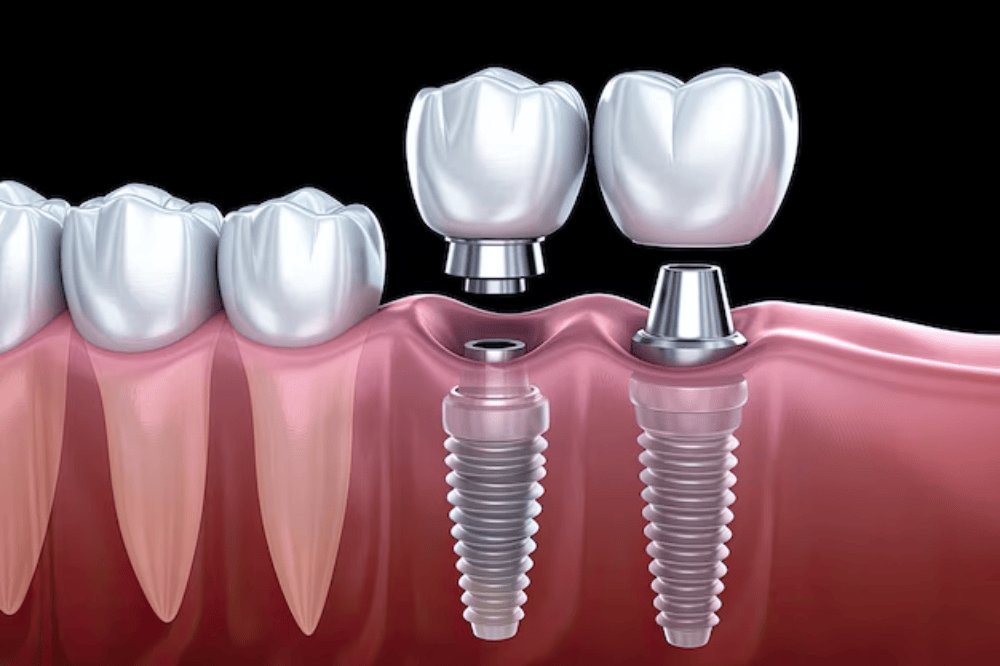
A dental implant is a small titanium or zirconia screw that is surgically placed into the jawbone to act as an artificial tooth root. Over time, the implant integrates with the bone through a biological process called osseointegration. Once the implant is fully integrated, it can support a crown, bridge, or full-arch prosthesis.
Dental implants are considered the gold standard for tooth replacement because they mimic natural teeth both in appearance and function. Unlike traditional dentures, implants do not slip, move, or cause discomfort.
Who Is a Good Candidate for Dental Implants?
Dental implants are suitable for a wide range of patients. You may be a good candidate if you:
- Have one or more missing teeth
- Have sufficient jawbone density to support the implant
- Want a permanent alternative to dentures
- Have healthy gums and good oral hygiene practices
- Do not smoke or are willing to reduce smoking during the healing period
- Are in general good health without uncontrolled systemic conditions
Even if you have bone loss, additional techniques such as bone grafting or sinus lifting can help you become an implant candidate.
Types of Dental Implants
As a clinician, I select the most appropriate implant type depending on the patient’s needs. The most common types include:
1. Single Dental Implant
Used to replace a single missing tooth. A crown is placed on top of the implant, providing a natural and functional result.
2. Implant-Supported Bridge
This option replaces several missing teeth using fewer implants. It is more stable and durable than a traditional dental bridge.
3. All-on-4 or All-on-6 Full-Arch Implants
These treatments replace all teeth in an arch using four or six implants. They offer excellent stability and are often preferred by patients seeking a full-mouth restoration.
4. Immediate Implants
In some cases, implants can be placed immediately after tooth extraction. This reduces treatment time and preserves gum structure.
How Dental Implant Treatment Works
The dental implant process consists of several precise steps. Here is what you can expect:
1. Consultation and Planning
We begin with a detailed examination, X-rays, and 3D CBCT imaging to analyze bone density and plan implant placement. Digital planning ensures accurate positioning and predictable results.
2. Implant Placement
The implant is surgically placed into the jawbone under local anesthesia or sedation. The procedure is safe, minimally invasive, and typically painless.
3. Healing Period (Osseointegration)
Over the next 2–4 months, the implant fuses with the bone. During this period, a temporary tooth may be provided to maintain aesthetics and function.
4. Abutment Placement
Once healing is complete, a small connector called an abutment is attached to the implant. This serves as the foundation for the final restoration.
5. Final Crown or Prosthesis
The final step involves placing a custom-made crown, bridge, or full-arch prosthesis. This restoration is designed to match your natural teeth in shape, color, and function.
Benefits of Dental Implants
Natural Appearance and Function
Implants look, feel, and function just like natural teeth. You can speak clearly, smile confidently, and enjoy your favorite foods without worry.
Long-Lasting Solution
With proper care, dental implants can last a lifetime. They are far more durable than traditional bridges or removable dentures.
Prevention of Bone Loss
Implants stimulate the jawbone just like natural roots, preventing bone resorption and preserving facial structure.
Improved Oral Health
Unlike traditional bridges, implants do not require the cutting of adjacent healthy teeth.
Increased Comfort and Confidence
Because implants are securely anchored, they eliminate the discomfort, movement, and insecurity often associated with removable dentures.
Aftercare and Maintenance
To ensure long-term implant success, I recommend the following:
- Brush at least twice a day with a soft toothbrush
- Use dental floss or a water flosser regularly
- Avoid smoking to improve healing and implant longevity
- Visit your dentist every 6 months for check-ups and cleaning
- Avoid very hard foods during the initial healing phase
With proper oral hygiene, your implants will remain strong, stable, and functional for many years.
Why Choose Dental Implants?
If you want a permanent, secure, and natural-looking solution for missing teeth, dental implants are the ideal choice. They offer exceptional comfort, improved chewing ability, and long-lasting results. For many patients, implants significantly enhance quality of life, appearance, and self-confidence.
As your dentist, my goal is to help you achieve optimal oral health through the safest, most modern treatments available. Dental implants are one of the most predictable and successful options in restorative dentistry.
Final Thoughts
If you are considering dental implants, I encourage you to schedule a consultation. During the visit, we will evaluate your oral health, discuss your goals, and create a personalized treatment plan. With the right care and expertise, dental implants can restore your smile beautifully and permanently.